
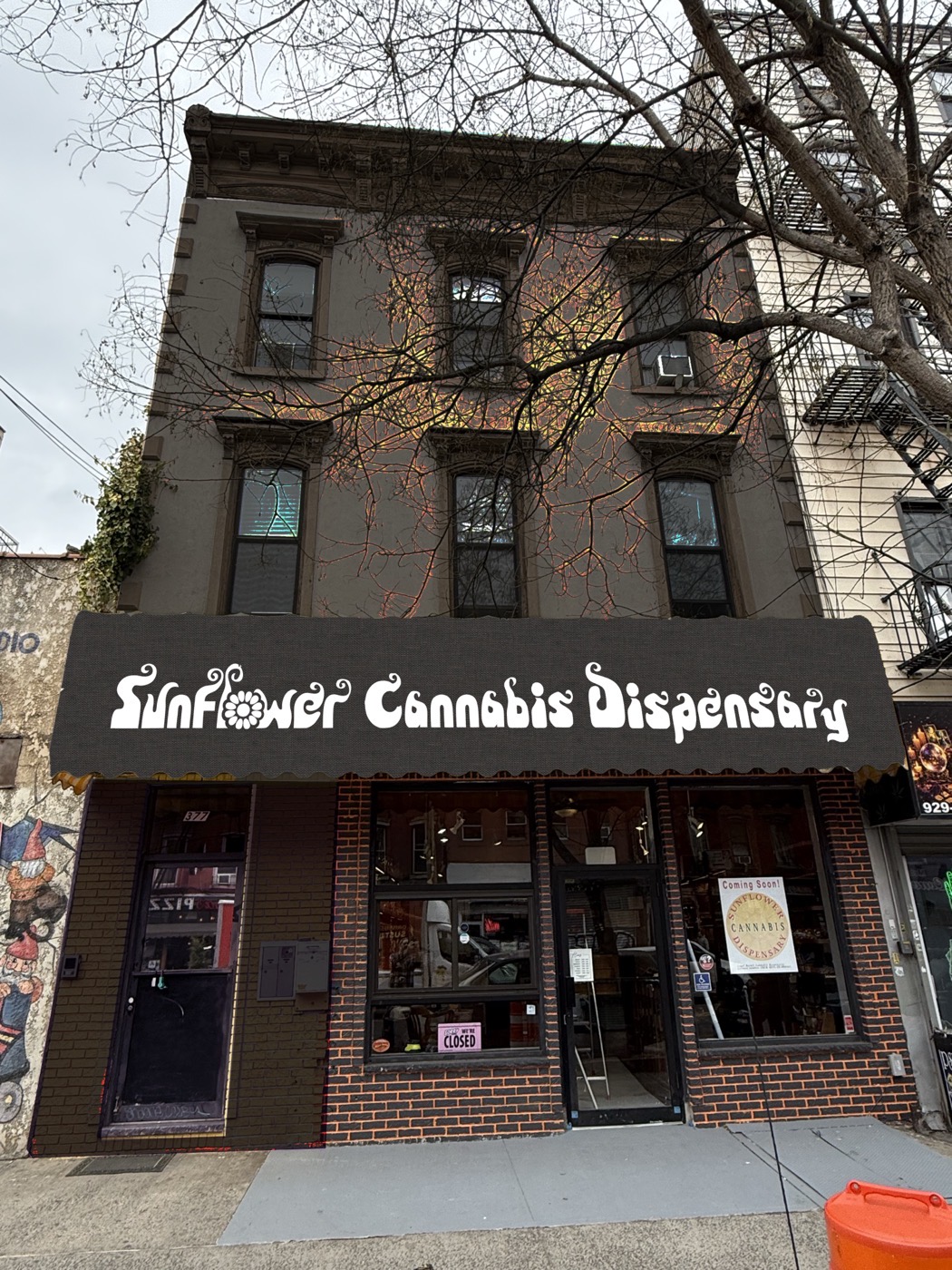
New York legalized adult-use cannabis in 2021 and built a closed, tracked, in-state-only system. Every product is grown and made by New York–licensed businesses, tracked from seed to sale, and lab-tested before it can be sold. The law also prioritizes social and economic equity in who gets licensed, keeps dispensaries a set distance from schools and from each other, and — because cannabis is still federally illegal — leaves most shops running on cash.
The legal market can feel like a black box from the customer side. Here's what's actually happening behind that "Scan to Verify" seal — and why a licensed New York dispensary works the way it does. (This is general information, not legal advice; rules evolve — see cannabis.ny.gov for the latest.)
One closed, tracked, New York–only system
New York's Marijuana Regulation and Taxation Act (MRTA) created the Office of Cannabis Management (OCM) to license and regulate the whole supply chain. Two principles shape everything you buy:
- Seed-to-sale tracking. Every plant is followed through an official tracking system from the moment it's planted through harvest, processing, testing, packaging, and the final sale. Nothing legal appears on a shelf without a paper trail.
- New York–sourced only. Because cannabis is still illegal federally, it can't cross state lines. So a licensed dispensary may only sell products from New York–licensed cultivators and processors. When you buy here, you're buying New York cannabis, full stop.
Everything is lab-tested
Before any product can be sold, it must be tested by an OCM-permitted laboratory. That testing covers a lot more than just THC:
- Potency — total THC, CBD, and other cannabinoids
- Pesticides
- Heavy metals
- Residual solvents
- Microbials (mold, yeast, harmful bacteria) and mycotoxins
Each product carries New York's universal cannabis symbol and a link to its Certificate of Analysis (COA) — the lab report. It's the single biggest reason to buy legal: you know exactly what's in the jar, and what isn't.
Who's allowed in: equity first
New York deliberately built its market to repair some of the harm of prohibition. The law set a goal of awarding half of all adult-use licenses to Social & Economic Equity (SEE) applicants — including minority- and women-owned businesses, distressed farmers, service-disabled veterans, and people from communities most affected by cannabis criminalization.
The very first retail licenses went out through the CAURD (Conditional Adult-Use Retail Dispensary) program to justice-involved applicants — people (or their family members) with a past New York cannabis conviction who also ran a qualifying business — and to nonprofits serving formerly incarcerated communities. CAURD opened the legal market in late 2022.
The license types
| License | What it does |
|---|---|
| Cultivator | Grows the cannabis (indoor, outdoor, or mixed-light) |
| Processor | Extracts and manufactures finished products (vapes, edibles, concentrates) |
| Distributor | Moves product wholesale between licensees |
| Retail Dispensary | Sells finished products to consumers 21+ (that's us) |
| Microbusiness | A small, vertically-integrated license — grow, process, and sell its own products |
| Registered Organization | The original medical-cannabis operators, some now in adult-use |
| On-Site Consumption / Delivery | Separate licenses for consumption lounges and delivery |
The rules you'll actually notice as a shopper
- 21+ with a valid photo ID, checked at the door. No medical card needed for adult-use.
- No consuming on-site. A dispensary is for buying only; on-site use needs a separate license.
- It's mostly cash. See below — it's not the shop being difficult.
- The "Scan to Verify" seal. Every licensed shop posts OCM's verification seal with a QR code near the entrance. Scan it (or search cannabis.ny.gov) to confirm a store is legal — important in a city with many unlicensed shops.
Cannabis is still a federally illegal (Schedule I) substance, so most banks and the major card networks won't fully serve the industry — leaving many shops cash-heavy or on cash-adapted payment systems. A federal tax rule, IRC Section 280E, also blocks cannabis businesses from taking normal tax deductions, making banking and card processing pricier. This could change: a federal effort to reschedule cannabis was underway as of late 2025, which would ease 280E and banking — but it isn't finalized, so bring cash or a debit card for now.
"Proximity protection": where shops can be
New York spaces dispensaries out with siting buffers (all measured in straight lines):
- At least ~500 feet from a school.
- At least ~200 feet from a house of worship.
- A minimum distance from other dispensaries — this is the "proximity protection" that stops stores from clustering. In larger municipalities like New York City (population 20,000+), that's generally about 1,000 feet apart; in smaller municipalities it's roughly 2,000 feet.
The exact measurement method has been refined over time, so the OCM is the source of truth — but the gist is that a legal dispensary's location was reviewed and approved, not just rented.
We're a licensed New York retail dispensary — OCM license OCM-RETL-25-000441 — at 377 Metropolitan Ave in Williamsburg. Everything we carry is New York–grown or made, seed-to-sale tracked, and lab-tested, sited and operated under the rules above. That's the quiet machinery behind a simple, legal purchase.
Buy legal, buy tested, buy local
Browse our New York–sourced, lab-tested menu and order ahead for pickup, or walk in — 21+ with a valid ID. Bring a debit card or cash.