
This one's personal. Before Sunflower was a dispensary, it was Sunflower Glass Company — a Brooklyn smoke shop that ran an online "Pipe School" celebrating the craft and history of the pipe. This article carries that torch. Same sunflower, same love of the object.
The pipe is one of humanity's oldest crafted objects — made of clay, stone, wood, metal, and eventually glass across thousands of years and nearly every culture. The pipe you'd buy today owes its shape to two big traditions: the European wood pipe (briar and meerschaum) and the American studio-glass movement of the 1960s, which turned the functional glass pipe into an art form.
A pipe is such a simple idea — a bowl, a stem, a breath of air — that humans have been making them for as long as we've been gathering around things that smolder. The story of the pipe is really the story of the materials we learned to shape. Here's the short version.
Ancient beginnings
Long before tobacco reached Europe, people on multiple continents were smoking and burning herbs in pipes of clay, stone, bone, and reed. Pipes show up in the archaeological record across the ancient world, used for medicine, ritual, and pleasure. The form barely needed improving: a small chamber to hold the material, a channel to draw the smoke. Nearly every culture that had fire and herbs eventually crafted a version of it.
Among the most storied is the ceremonial pipe of many Native American nations — often called the calumet or "peace pipe" — which carried deep spiritual and diplomatic significance, used to mark agreements, prayers, and gatherings. It's a reminder that the pipe has never been only a tool; for much of history it was a sacred and social object.
The European wood pipe
As tobacco spread through Europe, pipe-making became a craft of its own, and two materials came to define the classic pipe:
- Briar — the hard, heat-resistant root burl of the white heath shrub. It became the gold standard for wood pipes: durable, naturally fire-resistant, and able to develop a rich "cake" with use.
- Meerschaum — a soft white mineral (its name means "sea foam") that can be carved into astonishingly detailed figures and gradually colors with age. Prized by collectors for centuries.
- Corncob — the humble, affordable everyman's pipe, made from dried, hollowed corncobs.
These are the silhouettes most people still picture when they hear "pipe" — the bent briar, the carved meerschaum, the classic bowl-and-stem.
Glass changes everything
Glassblowing is ancient too — the Roman invention of the blowpipe, more than two thousand years ago, made it possible to shape molten glass with a breath of air. But the glass pipe as we know it is surprisingly modern.
The turning point was the American studio-glass movement of the 1960s, which took glassblowing out of the factory and put it in the hands of independent artists working at small torches. Those artists embraced borosilicate glass — the same tough, heat-shock-resistant material used in lab glassware — and turned the functional pipe into a canvas. Color-changing "fuming," intricate "inside-out" work, sculptural shapes: the humble pipe became collectible art, and a whole craft tradition grew up around it.
Borosilicate glass adds no flavor of its own, doesn't absorb residue the way wood does, and is easy to clean — so it lets the flower (or its terpenes) taste like itself. That neutrality, plus its beauty, is why glass became the connoisseur's choice.
The family of pipes today
From all that history, here's the lineup you'll actually meet:
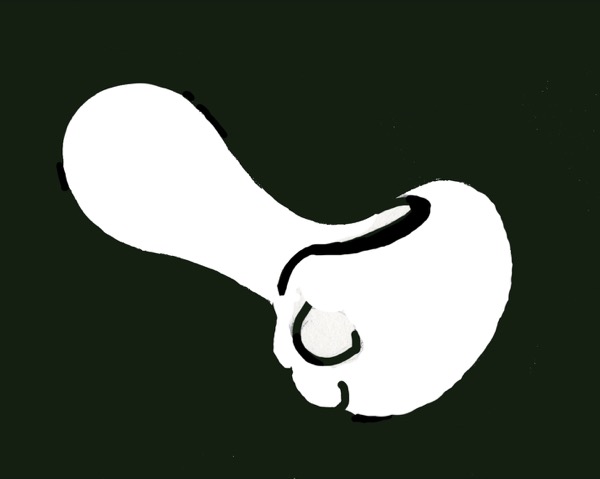
- Hand pipes & spoons — the everyday glass pipe, pocket-sized, with a bowl and a carb hole.
- Chillums — straight, simple "one-hitter" tubes, among the oldest forms still in use.
- Water pipes (bongs) — these add water to cool and filter the smoke. The key parts: the bowl (holds the flower), the stem/downstem (carries smoke into the water), the chamber (where it cools), and sometimes a carb (a hole you cover and release to clear it).
- Bubblers — a hand-pipe-sized hybrid with a small water chamber; Sherlock, hammer, and sidecar shapes are classics.
- Dab rigs — water pipes built for concentrates rather than flower (see the dictionary for banger, nail, and friends).
Different shapes, same ancient idea — a bowl, a breath, and a little fire. Whether you reach for a simple spoon or a hand-blown work of art, you're part of a tradition that's thousands of years old. That's worth appreciating.
Carry on the tradition
Sunflower stocks pipes, papers, grinders, and the flower to fill them — the modern chapter of a very old story. Stop by 377 Metropolitan Ave, the same Brooklyn corner the Pipe School started on.